The Wall Street "Clench": Why High-Pressure Careers are Driving a Pelvic Health Crisis
In the fast-paced corridors of finance and high-stakes business, "stress" is often seen as a mental or emotional challenge. However, a recent and widely discussed Bloomberg article, "The Stress of Wall Street Is Sending Men to Pelvic Floor Therapy," highlights a physical reality that many high-performers are facing: the "Wall Street Clench."
For professionals in Manhattan, Miami, and beyond, the body’s natural response to constant pressure isn't just a headache or tight shoulders—it's a chronic tension held deep within the pelvic floor.
The Physiological Cost of High Performance
When you are navigating a high-stakes environment, your body’s autonomic nervous system stays in a state of "fight or flight." Physically, this causes a protective "bracing" response. We tighten our core and unconsciously contract our pelvic muscles.
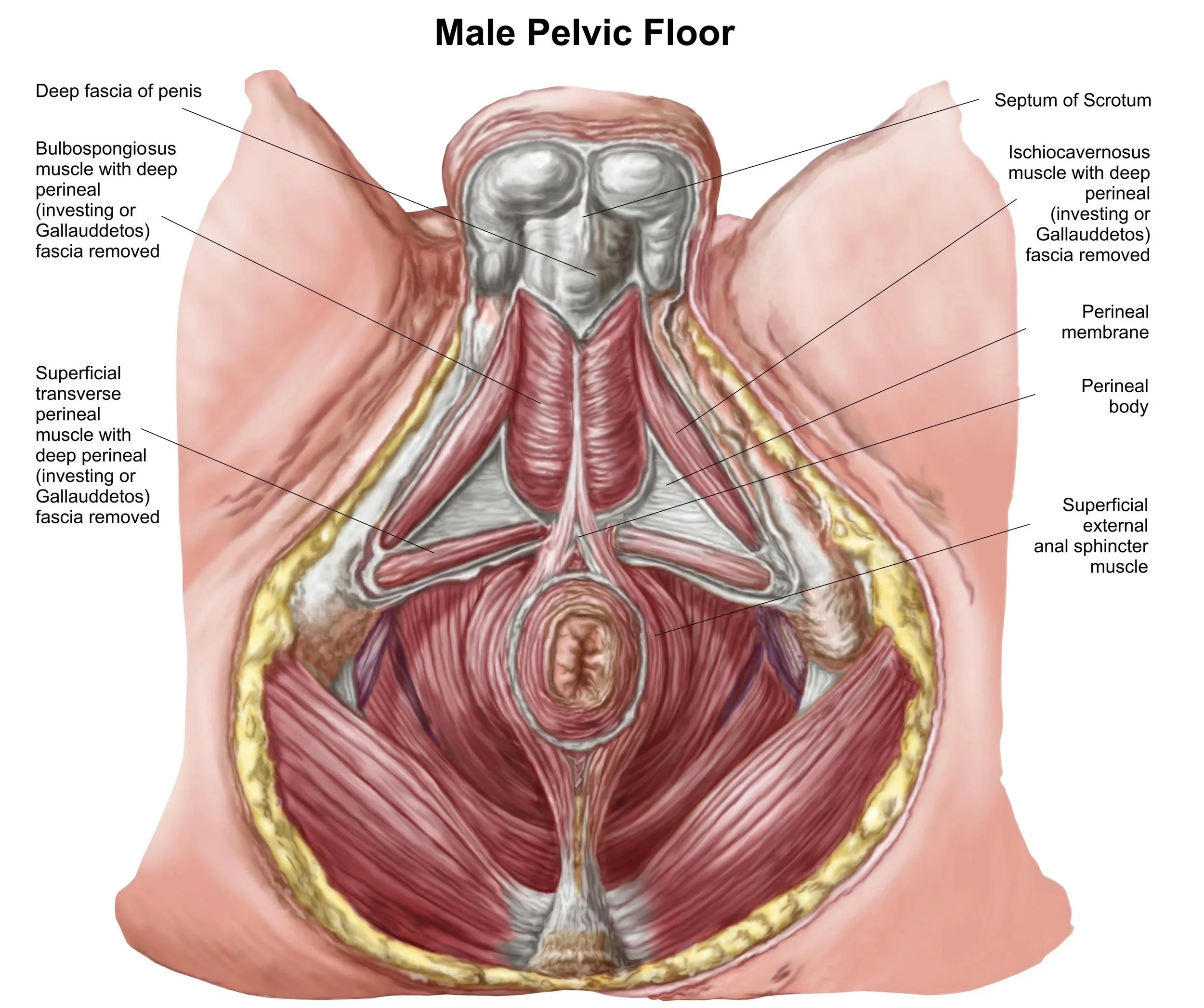
PC - Shutterstock
When this happens occasionally, the body recovers. But when you are sitting at a desk for 10–12 hours a day under constant pressure, these muscles never get the "all clear" signal to relax. This leads to Hypertonicity—a state where the muscles are overactive, tight, and unable to function through their full range of motion.
The Risk of the "Wait and See" Approach
The most significant takeaway from the recent attention on this topic is that pelvic health issues rarely resolve on their own if the underlying lifestyle and physical patterns remain the same. Ignoring these early warning signs—such as mild pelvic heaviness, subtle changes in bladder habits, or occasional discomfort—can lead to long-term complications:
1. Central Sensitization
When the pelvic floor stays tight for a long period, the nervous system becomes "hypersensitive." The brain begins to interpret even normal sensations as pain. Over time, this makes the condition much more complex to treat as it moves from a simple muscle issue to a neurological one.
2. Chronic Nerve Irritation
The pelvic floor is home to several major nerves. Constant muscle tension can lead to nerve compression, resulting in sharp pain, burning sensations, or numbness that can radiate into the hips, lower back, or legs.
3. Secondary Orthopedic Issues
A dysfunctional pelvic floor doesn't exist in a vacuum. It often causes the body to compensate, leading to chronic lower back pain, SI joint dysfunction, and hip issues that seem "unsolvable" because the root cause (the pelvis) is being ignored.
The Importance of Early Intervention
Seeking pelvic floor physical therapy early is not just about stopping current pain; it’s about preventing a cycle of chronic dysfunction.
Breaking the Pattern: It is much easier to "retrain" a muscle that has been tight for three months than one that has been clenched for three years. Early intervention allows you to break the neuromuscular habit of clenching before it becomes your body's "new normal."
Avoiding the Diagnostic Loop: As the Bloomberg article points out, many people spend years visiting different specialists and undergoing invasive tests or unnecessary rounds of antibiotics for "infections" that don't exist. Starting with pelvic floor therapy can often identify the musculoskeletal root of the problem immediately.
Reclaiming Quality of Life: Pelvic health is foundational to your ability to sit, move, and enjoy your personal life. Addressing these issues early ensures that your career success doesn't come at the expense of your long-term physical well-being.
Conclusion
Whether you are on a trading floor in NYC or in a boardroom in South Florida, your physical health is your greatest asset. If you are feeling the effects of a high-pressure career in your body, understand that these symptoms are a signal—not a life sentence. Specialized physical therapy provides the tools to reset your system, resolve tension, and ensure long-term health.