
Beyond the Diagnosis: Why Pelvic Health PT is the Missing Link for Endometriosis and Adenomyosis
Pelvic Floor Physical Therapy for Endometriosis and Adenomyosis in Fort Lauderdale. Specialist care for chronic pelvic pain near Las Olas.Dealing with Endometriosis or Adenomyosis in Fort Lauderdale, Miami, Boca Raton, West Palm Beach? The Mayo Clinic suggests a multidisciplinary approach to managing these conditions. Discover how our specialized Pelvic Health PT can help release 'muscle guarding,' reduce chronic pain, and get you back to the lifestyle you love.

The Missing Link for Golfers, Runners and Pickleball Players in Fort Lauderdale — It's Not Your Muscles
Stretching not working? The Cleveland Clinic highlights how your autonomic nervous system controls muscle tension. Discover how our specialized Neurowellness approach in Fort Lauderdale 'un-guards' your body, improving your golf swing and pickleball game by treating the brain, not just the muscle.

Chronic Prostatitis: Why Your Antibiotics Might Not Be Working. Can PT help?
90% of chronic prostatitis cases are non-bacterial. If antibiotics aren't working, the cause is likely mechanical. Discover how Pelvic Floor PT in NYC , MIAMI, FORT LAUDERDALE, BOCA RATON , South Florida uses manual release and nerve decompression to resolve CPPS and pelvic pain for good.
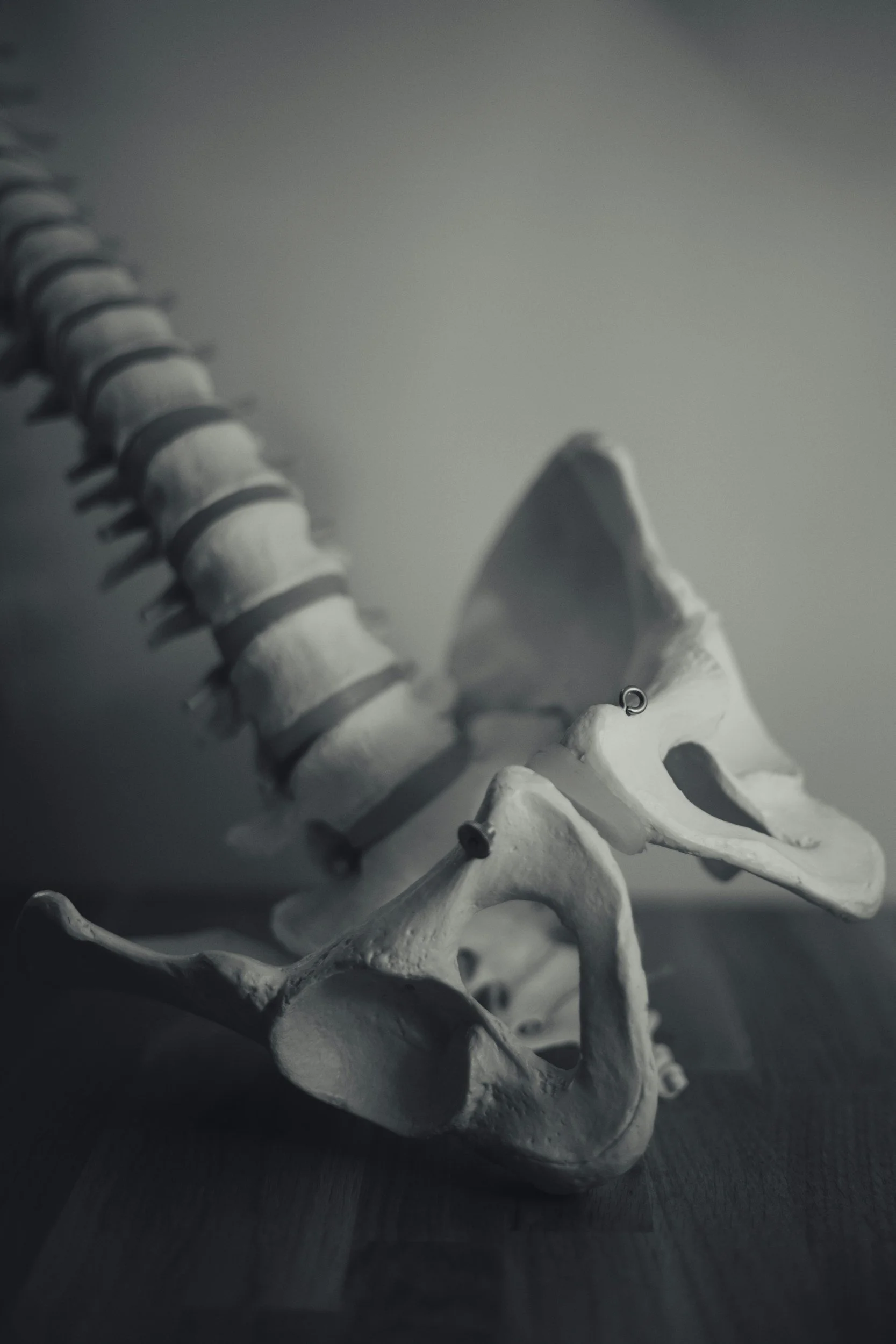
Beyond the Pill: Resolving Erectile Dysfunction and Male Pelvic Pain in NYC & South Florida
Struggling with erectile dysfunction or chronic male pelvic pain? It may not be 'all in your head.' Discover how the mechanics of your pelvic floor impact blood flow and nerve function, and why specialized pelvic floor physical therapy in New York City and South Florida - Miami, Fort Lauderdale, Boca Raton, is a powerful alternative to medication

The New Era of Women’s Health: What the FDA’s Shift on HRT Means for Your Pelvic Health
Learn why the FDA's shift on HRT is a win for pelvic health. Discover the link between estrogen and the pelvic floor, and why Pelvic floor Physical therapy is essential during menopause.

The Wall Street "Clench": Why High-Pressure Careers are Driving a Pelvic Health Crisis
Is the pressure of your career manifesting in your body? A recent Bloomberg report highlights a "silent epidemic" among high-performing professionals: the physical toll of chronic stress on the pelvic floor. Learn why early intervention with pelvic floor physical therapy is the key to preventing long-term pain and reclaiming your quality of life.
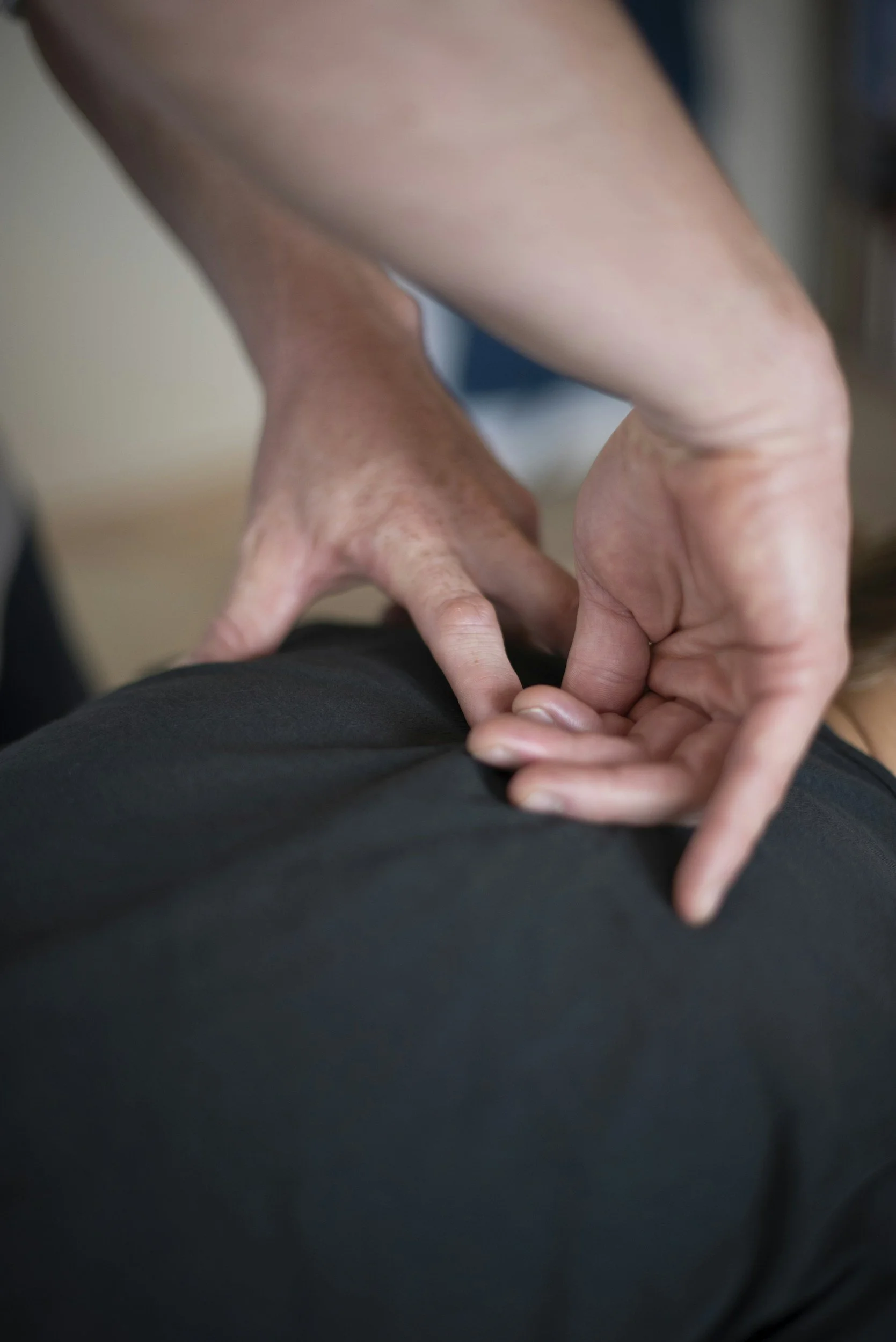
Solving Male Pelvic Pain and Incontinence: The Power of Specialist PT in NYC & South FL
Pelvic floor physical therapy for men

Stop Normalizing the Leak: Why That Drip is Treatable—and Why Specialized Pelvic Floor PT is the Way to Freedom
Bladder leakage—whether a few drops when you cough, sneeze, laugh, exercise, or a sudden urgent need to get to the bathroom—can feel like a private problem. But it is not a normal or inevitable part of aging. Urinary incontinence often results from treatable pelvic floor dysfunction, and pelvic floor physical therapy (PFPT) offers effective, non-surgical care focused on restoring function and quality of life.
What urinary incontinence looks like
Stress urinary incontinence: leakage with increased abdominal pressure (coughing, sneezing, lifting).
Urge urinary incontinence (overactive bladder): sudden, strong urge to urinate followed by leakage.
Mixed incontinence: features of both stress and urge incontinence.
Overflow incontinence: frequent dribbling when the bladder doesn’t empty fully.
Functional incontinence: leakage related to mobility, cognition, or environmental barriers rather than bladder control itself.
Why leakage isn’t “just part of getting older” Many people assume leakage is inevitable after childbirth, menopause, or with age. While those events can increase risk, leakage is usually due to modifiable factors: weakened or uncoordinated pelvic floor muscles, poor bladder habits, nerve irritation, pelvic organ prolapse, or musculoskeletal issues in the hips, low back, and abdomen. Addressing these root causes can significantly reduce or resolve symptoms.
How pelvic floor physical therapy helps Pelvic floor PT takes a personalized, evidence-based approach.
Bladder leakage—whether a few drops when you cough, sneeze, laugh, exercise, or a sudden urgent need to get to the bathroom—can feel like a private problem. But it is not a normal or inevitable part of aging. Urinary incontinence often results from treatable pelvic floor dysfunction, and pelvic floor physical therapy (PFPT) offers effective, non-surgical care focused on restoring function and quality of life.
What urinary incontinence looks like
Stress urinary incontinence: leakage with increased abdominal pressure (coughing, sneezing, lifting).
Urge urinary incontinence (overactive bladder): sudden, strong urge to urinate followed by leakage.
Mixed incontinence: features of both stress and urge incontinence.
Overflow incontinence: frequent dribbling when the bladder doesn’t empty fully.
Functional incontinence: leakage related to mobility, cognition, or environmental barriers rather than bladder control itself.
Why leakage isn’t “just part of getting older” Many people assume leakage is inevitable after childbirth, menopause, or with age. While those events can increase risk, leakage is usually due to modifiable factors: weakened or uncoordinated pelvic floor muscles, poor bladder habits, nerve irritation, pelvic organ prolapse, or musculoskeletal issues in the hips, low back, and abdomen. Addressing these root causes can significantly reduce or resolve symptoms.
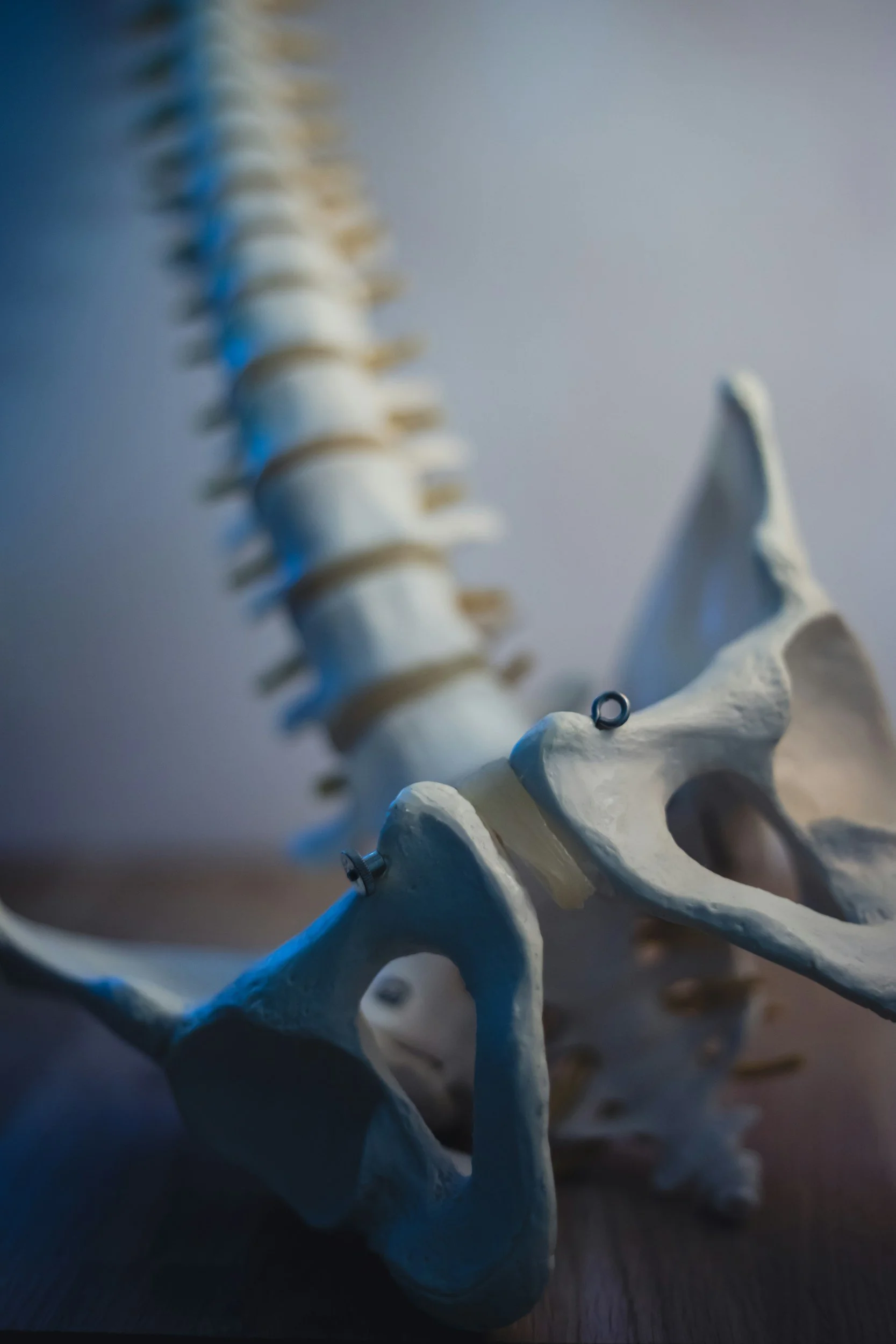
The Hidden Foundation:Why Pelvic Floor Physical Therapy matters
pelvic floor physical therapy